 Production notes
Choosing finishes that survive 35 days in a container
A finish that looks perfect on the press sheet in Jiangsu is not necessarily the finish that arrives in Rotterdam. Everything below comes from our own production and returns experience rather than a supplier brochure.
What travels well
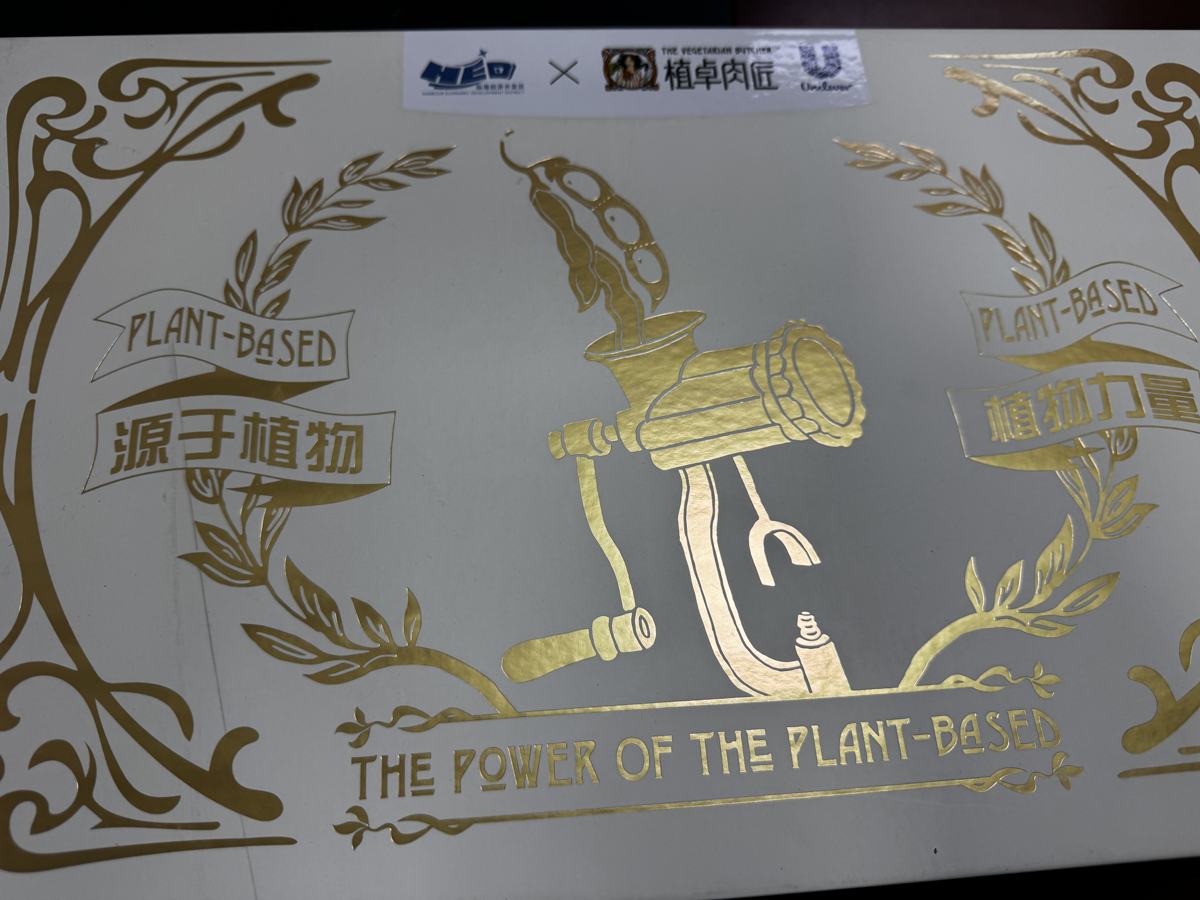
- Hot foil stamping. Metal foil bonded under heat and pressure is essentially inert. It is the most reliable premium finish for long transit.
- Matt lamination. Genuinely protective. Adds scuff resistance that bare board does not have, and hides handling marks.
- Blind deboss. No coating to fail, no ink to mark off. If you want a premium signal that cannot go wrong in transit, this is it.
What needs care
- Soft-touch on pale colours. Beautiful in hand, and it shows every mark. Specify it on dark artwork, or accept a higher rejection rate on the retail side.
- Large solid blacks, unlaminated. They scuff against each other in the carton. Either laminate or add an anti-scuff varnish; do not ship them bare.
- Raised spot UV over a fold. A thick lacquer film across a crease will crack. Keep raised UV off the fold lines — we flag this at dieline stage.
- Wrap paper on rigid boxes. Some uncoated and heavily textured wraps crack on the corner fold after humidity cycling. We fold-test the wrap before production; ask for that test result if a supplier has not offered it.
Packing matters as much as finishing
Interleaving tissue on foiled panels, polybagging premium rigid boxes against humidity, and a 24-hour flat cure after litho lamination before boxing — these three cost almost nothing and prevent most cosmetic claims we have seen.
The one question worth asking
Before you approve a finish, ask your supplier what their rejection rate is on that finish and how they pack it for sea freight. A converter who has genuinely shipped it will answer immediately and specifically. Anyone who says “no problem” has told you nothing.
Sources
Otion production and quality records.