The rules, materials and dates
that decide your next order
Short, practical briefings for people who buy packaging: what changed in EU and US regulation, which materials are actually replacing the banned ones, where fibre costs are heading, and which China shows are worth the flight.
Each piece links to its primary sources. Nothing here is legal advice — check your own obligations with a qualified adviser before you commit artwork or tooling.

The Packaging and Packaging Waste Regulation started applying across the EU on 12 August 2026. The first hard stop is PFAS in food-contact packaging. Harmonised sorting labels follow in 2028, and 2030 brings recyclability rules, recycled-content minimums, reuse targets and limits on empty space.

California’s final extended producer responsibility regulations took effect on 1 May 2026, with a 30-day registration window and reporting deadlines through the summer. Plastic source-reduction targets start at 10% by January 2027.
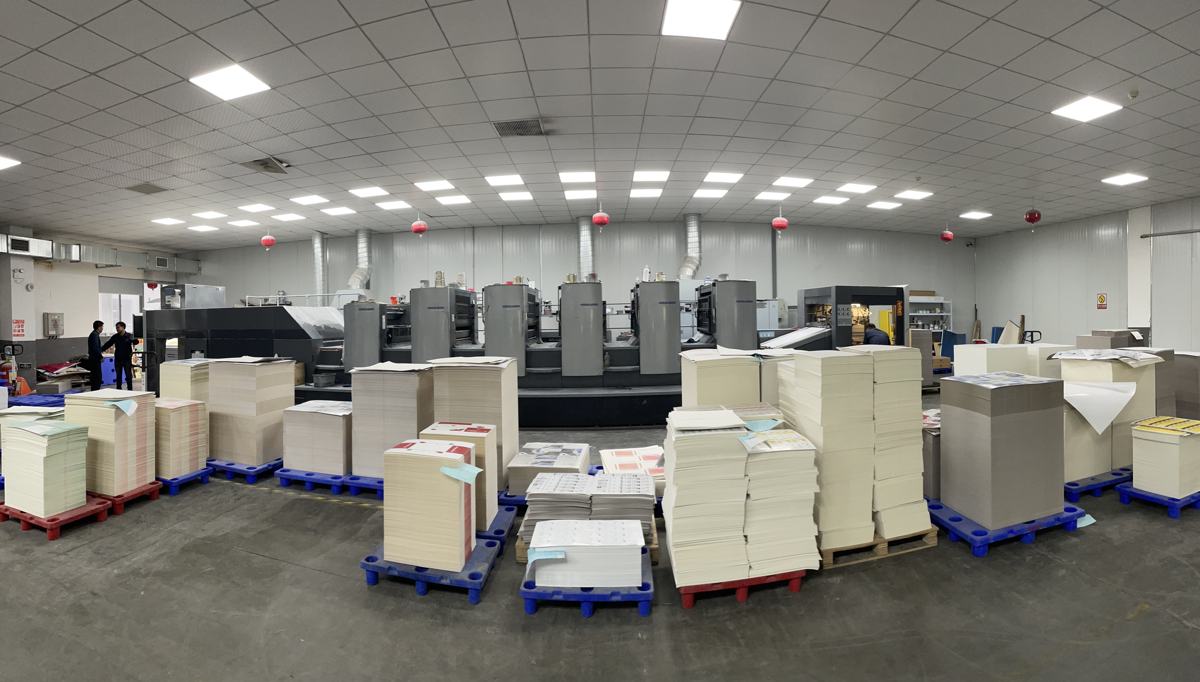
The four co-located Guangzhou shows run together in March 2027 at the China Import & Export Fair Complex — roughly 150,000 sqm and 2,200+ exhibitors covering machinery, materials, printing and labelling in one trip.
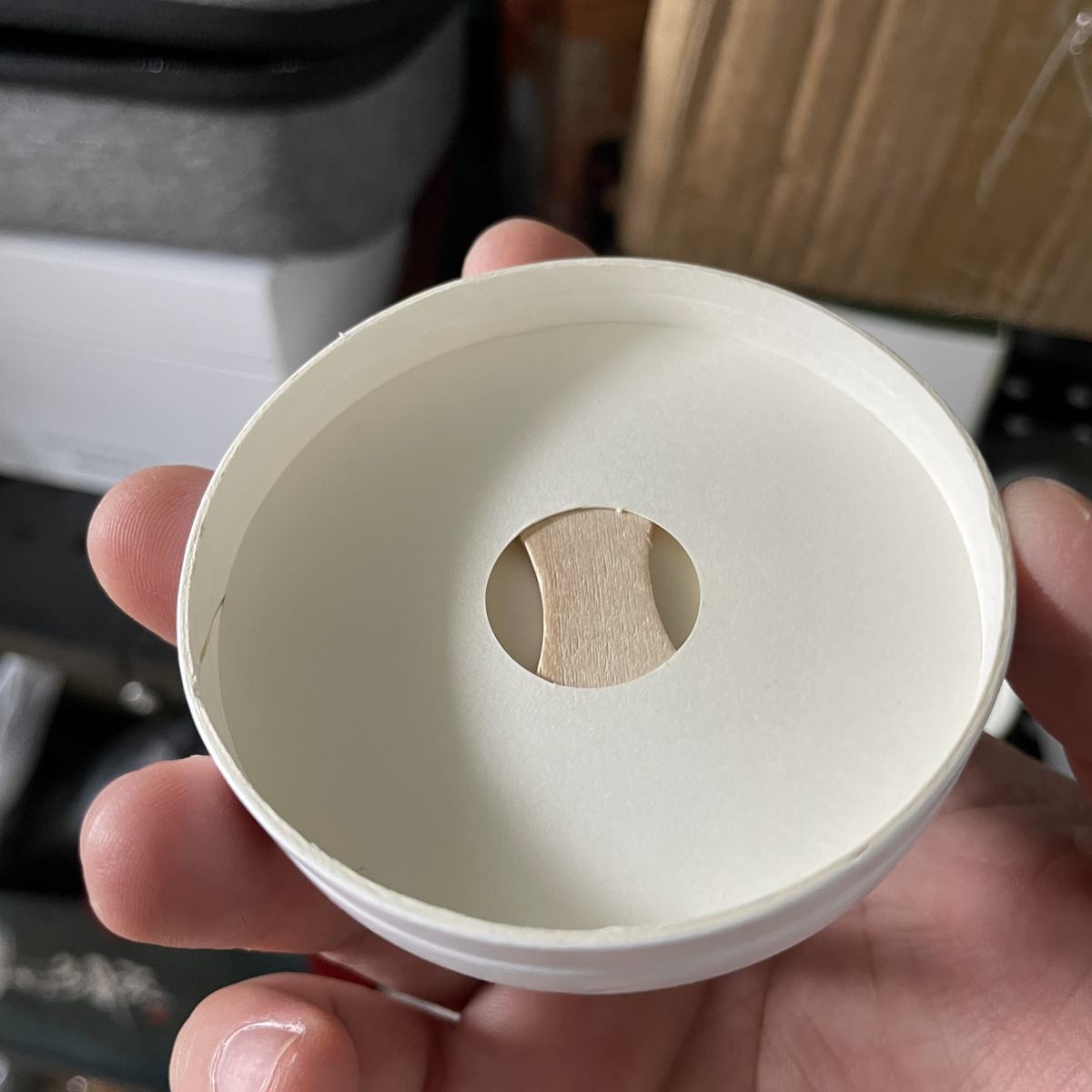
Water-based dispersion coatings have moved from pilot to production for grease and moisture barriers. They repulp in a standard paper mill, which PE-laminated board does not — but they are not a drop-in swap for every application.
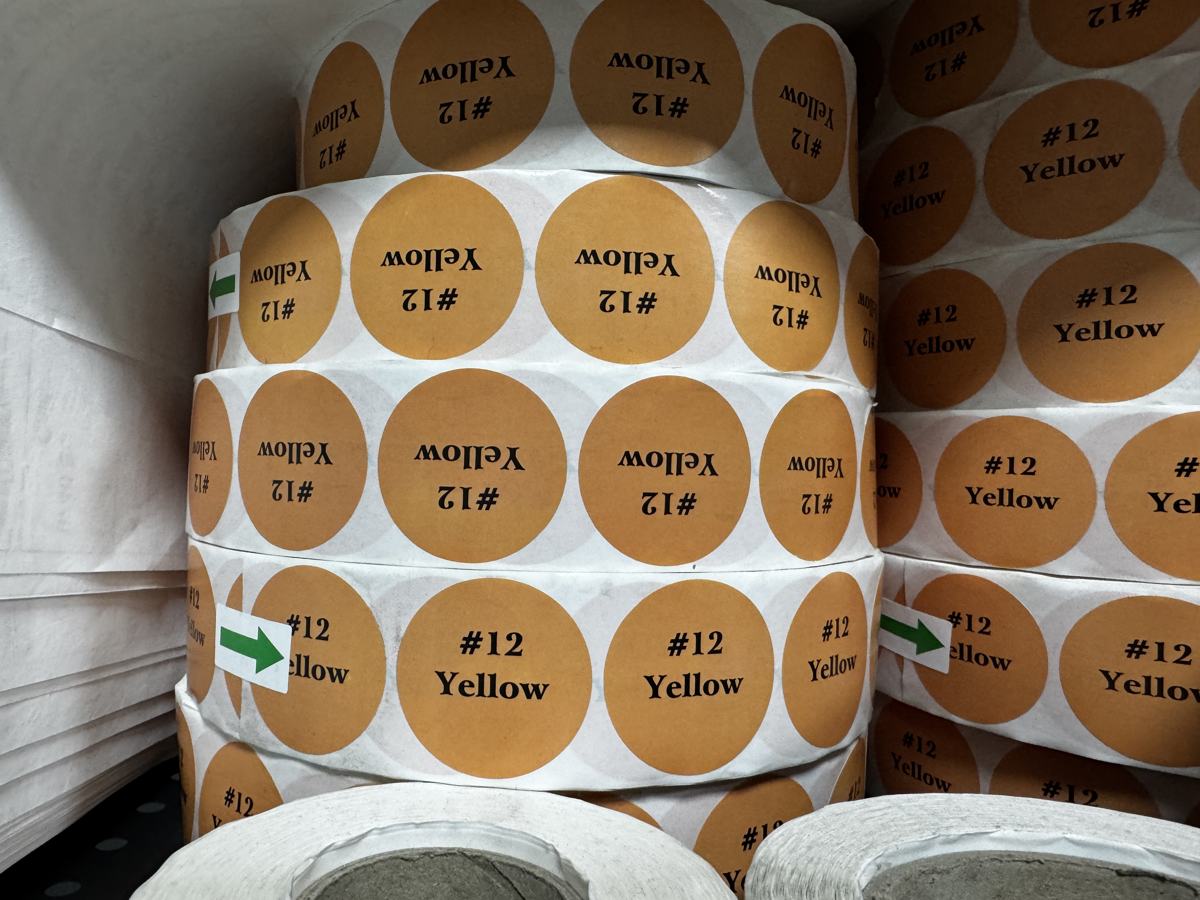
From 2028 a single EU-wide labelling system replaces the patchwork of national sorting symbols. Every SKU is affected, which makes it an artwork programme rather than a design tweak.
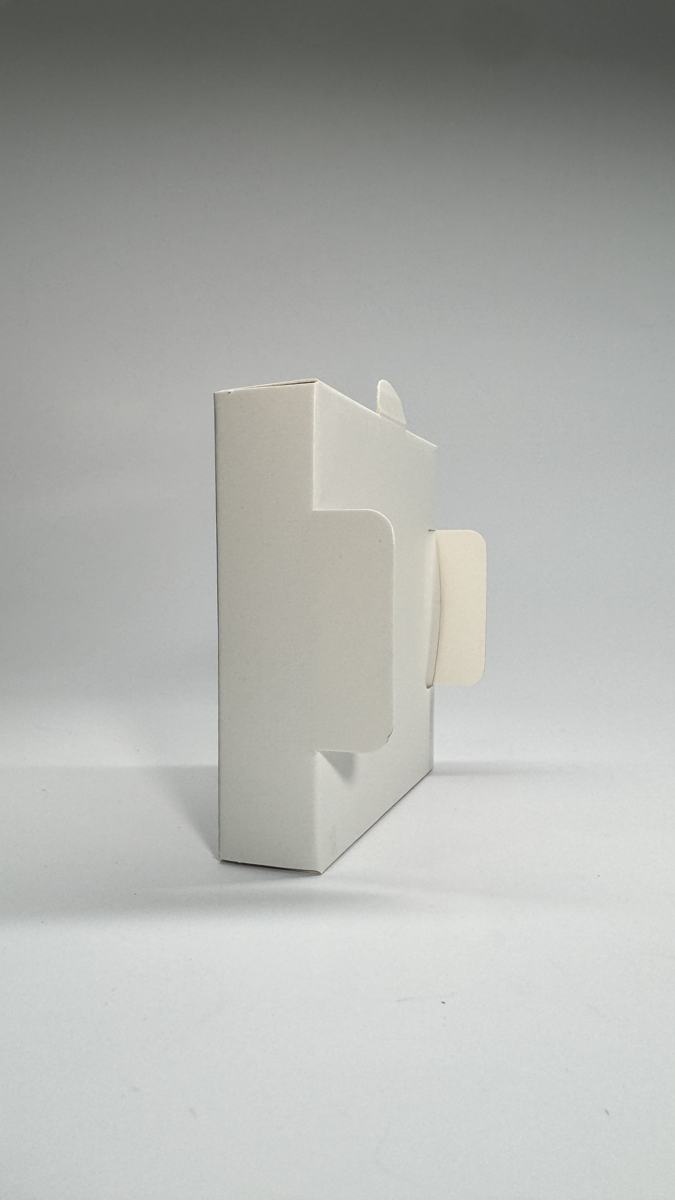
The PPWR brings limits on empty space in packaging from 2030. Right-sizing before then is not a compliance chore; on most e-commerce and gifting programmes it pays for itself in container utilisation first.

North American containerboard saw consecutive monthly increases through the spring, while recovered fibre (OCC) has hovered near $100 per ton — below its five-year average. Two different signals, one practical conclusion for buyers.
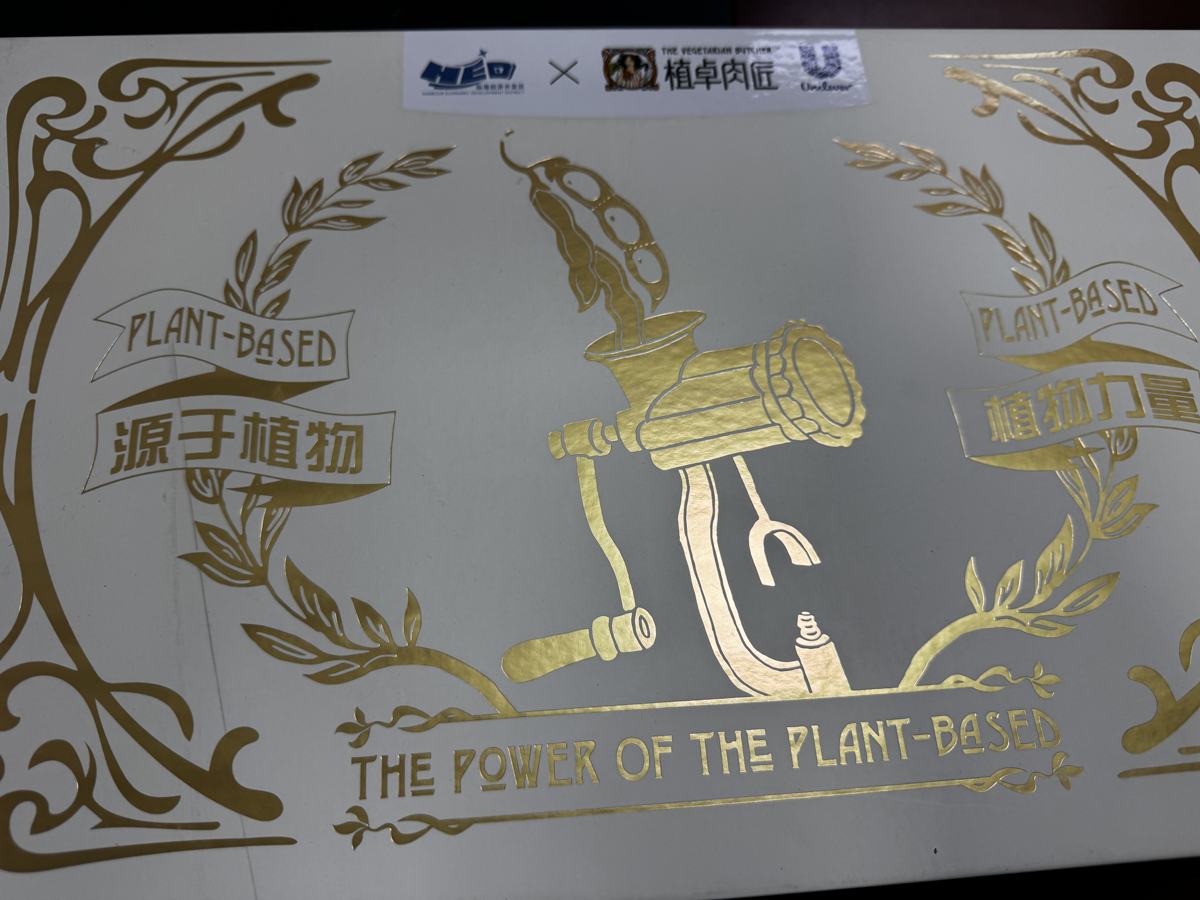
Foil, soft-touch and spot UV all behave differently after five weeks of humidity and heat cycling at sea. Notes from our own production floor on what to specify, and what we advise customers against.